
To my fellow Oncologists and Multidisciplinary HCPs,
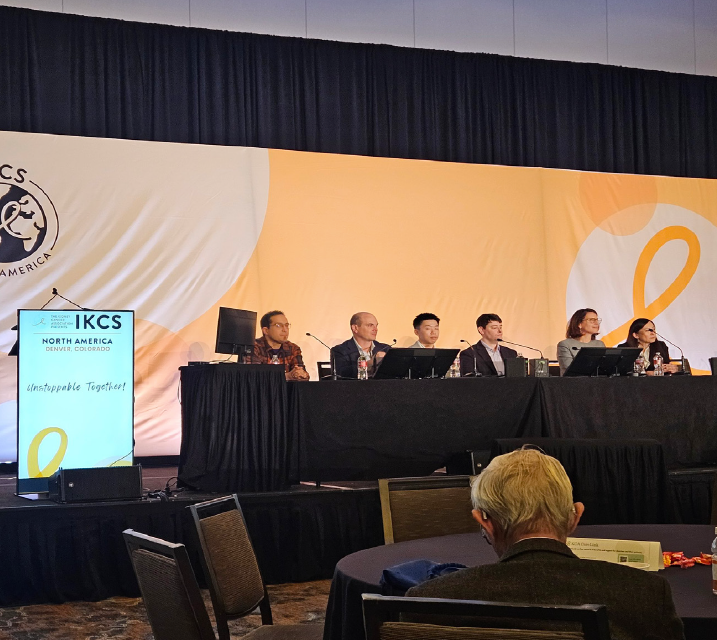
As we reflect on the proceedings of the 2025 International Kidney Cancer Symposium (IKCS): North America in Denver, it is increasingly clear that our field is undergoing a fundamental shift. We are moving away from the “all-comer” trial designs of the last decade and entering a “Granular Era”—one defined by molecular vulnerability, metabolic targeting, and the aggressive pursuit of precision in rare histological variants.
The HIF-2$\alpha$ Evolution: Lessons from Denver
A dominant theme in Denver was the continued maturation of HIF-2$\alpha$ inhibition. While belzutifan has become a cornerstone of our armamentarium, the data presented on casdatifan (ARC-20) signaled a new level of potency. In the expansion cohort of previously treated clear cell RCC (ccRCC), casdatifan—both as monotherapy and in combination with cabozantinib—showed a confirmed Objective Response Rate (ORR) of 46% in a population where nearly 80% were intermediate or poor risk.
For the clinician, the “fast on-rate” of casdatifan is more than a pharmacokinetic curiosity; it translates into deeper suppression of erythropoietin and tumor volume. As we await the Phase 3 PEAK-1 data, the clinical question is shifting from if we should use HIF-2$\alpha$ inhibitors, to where they sit in the sequencing hierarchy to maximize progression-free survival (PFS).
Rare Histologies: No Longer an Afterthought
Perhaps the most significant legacy of IKCS 2025 was the elevation of non-clear cell RCC (nccRCC) from a “basket category” to a primary focus of investigation. Chromophobe RCC (chRCC), in particular, was the subject of five oral abstracts.
The consensus from Denver—bolstered by Dr. Sahil Doshi’s multi-center analysis—clarifies a major clinical dilemma: the role of immunotherapy (IO) in chRCC. We now have evidence that “pure” chRCC derives minimal benefit from IO-based doublets. However, the presence of sarcomatoid features acts as a definitive biological switch, making these tumors highly responsive to IO. Furthermore, the identification of ferroptosis as a metabolic vulnerability in chRCC (led by Dr. Lisa Henske) suggests that our future trials will likely move toward iron-dependent cell death inducers, such as the BCL-XL degrader DT2216, rather than traditional anti-angiogenics.
Perspectives from ESMO 2025: Sequencing and Triplets
Complementing the North American findings, the ESMO 2025 Congress in Berlin provided the head-to-head evidence we have long craved. The LenCabo trial (Abstract LBA94) was a landmark: it confirmed that lenvatinib plus everolimus outperformed cabozantinib monotherapy in the post-IO setting, with a median PFS of 15.7 months versus 10.2 months. While the toxicity profile of the doublet requires diligent management, the “Len-Eve” regimen has solidified its place as a preferred second-line option for patients requiring a rapid tumor response.
Simultaneously, the KEYMAKER-U03 substudy 03A gave us a “sneak peek” into the future of frontline triplets. The combination of belzutifan + pembrolizumab + lenvatinib emerged as the only triplet to show competitive durability against the standard-of-care, with a median PFS exceeding 30 months. This reinforces the hypothesis that the “total block” of the PD-1, VEGF, and HIF-2$\alpha$ pathways may be the key to achieving long-term remission in high-risk patients.
The “Cure” Conversation and Patient Toxicity
Beyond the bench and the bedside, IKCS 2025 addressed the “human toxicity” of our success. Dena Battle’s (KCCURE) discussion on “Cure vs. Consumed” revealed a stark disconnect: while 95% of Stage 1 patients may be effectively cured, 75% of oncologists remain hesitant to use the word. This “language of uncertainty” contributes to the chronic cognitive fatigue and “fear narrative” described by neuropsychologist Dr. David Sheppard. As we move into 2026, our definition of “success” must expand to include not just the absence of disease, but the restoration of cognitive health and the mitigation of “brain fog” induced by chronic TKI/IO therapy.
Looking Ahead: GU ASCO 2026 and the Year of Biomarkers
As we look forward to the ASCO Genitourinary Cancers Symposium (GU ASCO 2026) in San Francisco, the focus will undoubtedly turn to predictive biomarkers. The consensus roadmap published by Dr. Dan Shapiro and Dr. Marie Carlo in late 2025 has set the stage for a new wave of trials using CA-125 and circulating tumor DNA (ctDNA) to guide treatment escalation and de-escalation.
We anticipate the release of more mature data from the LITESPARK-012 trial, which could potentially establish the first triplet as a global standard of care. Moreover, the integration of AI-driven metabolic signatures—a collaboration between KCA and Tempus—will likely begin to dictate which patients receive TKI-sparing regimens.
Beyond the major scientific storylines, several additional presentations at IKCS 2025 underscored how far our field has matured. A prospective multi-institutional study evaluating ctDNA for minimal residual disease detection demonstrated that molecular relapse can be identified nearly a year before radiographic progression, raising the real possibility of risk-adapted adjuvant therapy. Likewise, an emerging body of microbiome data linked specific gut flora signatures to differential responses to PD-1–based therapy, suggesting that host–tumor immunobiology may soon become a clinical variable rather than a research curiosity.
The symposium also delivered important updates on local therapy integration. A Phase II experience combining SBRT with ongoing nivolumab for oligoprogressive disease showed that focal radiation may meaningfully extend systemic treatment benefit, delaying the need to switch therapy. Parallel to this, neoadjuvant cabozantinib data presented in Denver strengthened the argument that carefully selected patients may achieve tumor downsizing without prohibitive operative morbidity.
Precision efforts continued at the molecular and histologic edges of RCC. Investigators presented metabolic targeting strategies for FH- and SDH-deficient hereditary RCC, hinting at future pathways beyond IO and VEGF blockade. On the diagnostic front, machine-learning radiomics models trained to predict sarcomatoid transformation from routine CT imaging reached clinical-grade performance, reinforcing that AI-based risk stratification is no longer speculative.
Finally, IKCS 2025 did not overlook the broader human and societal context. A nationwide outcomes analysis highlighted ongoing treatment inequities, with rural and Black patients remaining less likely to receive IO/TKI combinations in the first-line setting. Meanwhile, updated PRO and symptom-burden mapping efforts offered a more refined understanding of chronic treatment toxicity—providing the groundwork for individualized survivorship pathways and a more humane definition of clinical success.
Closing Thoughts
The progress of the last twelve months has been breathtaking. We are no longer treating “Kidney Cancer” as a monolith; we are treating VHL-mutated clear cell disease, FSP1-dependent chromophobe disease, and TFE3-translocated disease.
Our challenge in 2026 will be to translate this “granular” knowledge into the community setting, ensuring that every patient—regardless of their histology—has access to the molecularly informed care they deserve.
Thank you for your tireless dedication to this evolving field.